What Is Glioblastoma? A Complete Guide for Patients and Families
Neither her husband nor her daughter could say a word. Just one term — “glioblastoma” — and suddenly the entire shape of life had changed.
The first question that comes to mind is always the same: what actually is this disease? How is it different from other types of brain cancer? And what does it mean for what comes next?
This article exists to answer exactly those questions — in plain language, without stoking unnecessary fear, grounded in facts.
The Basic Definition
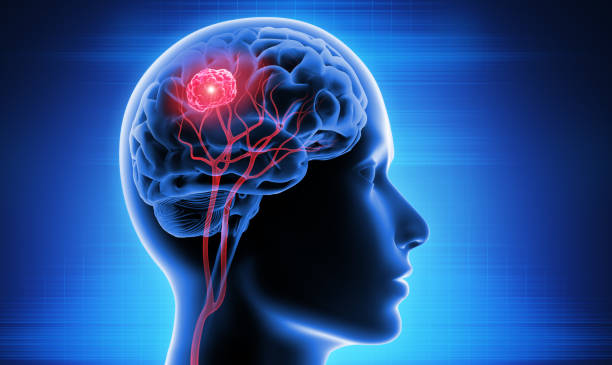
Glioblastoma is the most aggressive type of primary brain tumor. It arises from glial cells — the cells that support and protect neurons in the brain. That’s why it belongs to a broader family of tumors called gliomas.
Under the World Health Organization’s classification, glioblastoma is designated Grade 4 — the highest, most aggressive and fastest-growing category. It typically occurs in adults, most commonly after age 45, and is somewhat more common in men than women.
Why It Differs From Other Tumors
Rapid Growth
Glioblastoma cells divide at an unusually fast rate. This is why symptoms often appear within weeks rather than months.
Poorly Defined Borders
Many tumors have a clear boundary a surgeon can separate from healthy tissue. Glioblastoma doesn’t work that way — it sends finger-like projections into surrounding healthy brain tissue. This characteristic is what makes complete surgical removal nearly impossible.
High Recurrence Rate
Even when a surgeon removes all visible tumor, microscopic cells left behind typically begin growing again.
Symptoms
Symptoms depend heavily on where in the brain the tumor is located, but commonly include:
- Persistent headaches, often worse in the morning
- Nausea and vomiting
- Changes in memory or personality
- Difficulty speaking or understanding language
- Weakness or numbness on one side of the body
- Seizures
- Blurred vision or balance problems
These symptoms tend to worsen relatively quickly rather than gradually — which is often what prompts patients to seek medical attention urgently.
How It’s Diagnosed
The first step is usually an MRI scan, which reveals the tumor’s presence, size, and location. A definitive diagnosis requires a biopsy or pathology analysis of tissue removed during surgery.
Modern diagnosis also includes genetic testing, particularly:
- IDH mutation status — indicates how aggressive the tumor is
- MGMT methylation status — helps predict how well chemotherapy is likely to work
This genetic information shapes both treatment decisions and prognosis.
Treatment Options
The standard treatment for glioblastoma involves three components:
1. Surgery
The goal is to remove as much of the tumor as safely possible without damaging critical brain function. Because the tumor’s borders are poorly defined, complete removal is rarely achievable.
2. Radiation Therapy
Following surgery, daily radiation is typically given over about six weeks to target remaining tumor cells.
3. Chemotherapy
Temozolomide (TMZ) is the most commonly used drug, given alongside radiation and continued for months afterward.
For some patients, a device called Tumor Treating Fields (TTFields) is also recommended. Worn on the scalp, it uses electrical fields to interfere with the division of cancer cells.
Prognosis — A Difficult but Necessary Conversation
Honesty matters here: with treatment, the average survival time for glioblastoma is roughly 12 to 18 months, though this varies significantly from patient to patient. Age, overall health, specific genetic features of the tumor, and how much tumor was removed during surgery all influence these numbers.
Some patients live considerably longer than average, particularly when the tumor carries more favorable genetic characteristics. These statistics don’t tell any one person’s individual story — they’re simply a starting point for understanding.
For Families
- Don’t hesitate to ask questions — seeking a second opinion from a neuro-oncologist is completely normal and expected.
- Ask about clinical trials — new treatments are constantly being studied.
- Take care of your own mental health alongside caring for the patient.
- Connect with support groups and neuro-oncology social workers — this isn’t a journey meant to be faced alone.
A Final Word
My aunt’s story isn’t finished — no one’s really is. But the day she came to understand what this disease actually was, her fear didn’t disappear entirely, but it became something she could carry.
Knowledge doesn’t eliminate fear — but it turns it from fear of the unknown into something familiar, something manageable. And that difference is often the biggest help of all.
Note: This article is for general informational purposes. Every patient’s situation is different — treatment decisions should always be made in consultation with a neuro-oncologist or neurosurgeon.