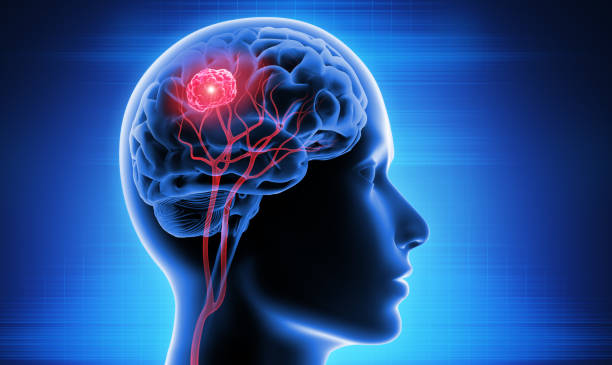
Brain Tumor Treatment: How Doctors Actually Treat Brain Tumors
Surgery? Chemotherapy? Radiation? Some combination of all three? Would he lose his hair? Would he be in pain? Would he still be himself afterward?
The doctor answered the immediate question — what happens next — but the broader picture stayed blurry for days. The family went home with a surgery date and almost no understanding of the larger treatment journey ahead of them.
That experience is more common than it should be. Brain tumor treatment involves multiple approaches, multiple specialists, and multiple decision points. Understanding the landscape before you’re inside it makes every conversation clearer and every decision less overwhelming.
This article explains the full treatment picture — what each approach involves, why doctors choose one over another, and what patients can realistically expect.
No Single Treatment Fits Every Brain Tumor
The first thing to understand is that brain tumor treatment is not one-size-fits-all. What works for a Grade 1 meningioma bears almost no resemblance to what doctors use against a Grade 4 glioblastoma.
Treatment decisions depend on tumor type, grade, size, and location. Patient age and overall health matter significantly. Molecular markers in the tumor tissue guide chemotherapy choices. The goals of treatment — cure versus control versus quality of life — shape every recommendation.
Most patients with significant brain tumors receive a treatment plan developed by a multidisciplinary tumor board. This group includes neurosurgeons, neuro-oncologists, radiation oncologists, radiologists, pathologists, and nurses who review each case together. Their combined expertise produces more nuanced recommendations than any single specialist could develop alone.
Treatment Option 1: Surgery
Surgery is usually the first step in brain tumor treatment. For many tumor types, removing as much tumor tissue as safely possible improves outcomes significantly — even when complete removal isn’t achievable.
What Surgery Aims to Achieve
Surgeons pursue different goals depending on the situation. Complete resection means removing the entire visible tumor. This achieves the best outcomes when the tumor has clear borders and sits away from critical brain structures. Partial resection — called debulking — removes as much tumor as possible without damaging essential functions. Even removing 70% to 90% of a tumor reduces pressure, improves symptoms, and makes radiation and chemotherapy more effective. Biopsy alone collects a small tissue sample for diagnosis without attempting removal. Doctors choose this when tumor location makes any larger resection too risky.
How Modern Brain Surgery Works
Brain surgery has transformed dramatically over the past two decades. Modern neurosurgeons use tools and techniques that simply didn’t exist a generation ago.
Neuronavigation systems work like GPS for the brain. They map the tumor’s exact three-dimensional location before surgery begins, guiding the surgeon precisely throughout the procedure. Intraoperative MRI allows surgeons to take real-time images during surgery to confirm how much tumor remains and adjust their approach accordingly.
Awake craniotomy is a technique used specifically when tumors sit near areas controlling speech or movement. The patient remains awake and responsive during portions of the surgery while neurosurgeons test brain function in real time. This sounds frightening but is performed with careful local anesthesia and sedation, allowing the surgical team to map exactly which tissue is essential and which can be safely removed.
Fluorescence-guided surgery uses a special dye that tumor cells absorb. Under a specific light wavelength, these cells glow a different color than surrounding tissue. Surgeons can see the tumor boundary more clearly than with standard lighting, helping them remove more tumor while protecting healthy brain.
What Recovery Looks Like
Recovery from brain surgery varies widely depending on tumor location, surgical extent, and the patient’s overall condition. Most patients spend several days in the hospital after surgery. Some require intensive care initially.
Temporary neurological changes after surgery are common. Weakness, speech difficulties, fatigue, and cognitive changes can appear or worsen immediately after surgery and then gradually improve over weeks. Some deficits resolve completely. Others become permanent depending on what the surgery involved.
Physical therapy, occupational therapy, and speech therapy often begin during the hospital stay and continue outpatient for weeks or months after discharge.
Treatment Option 2: Radiation Therapy
Radiation therapy uses high-energy beams to damage and destroy tumor cells. It plays a central role in treating most malignant brain tumors and many benign tumors that cannot be completely removed.
Standard External Beam Radiation
The most common form of radiation therapy delivers precisely targeted beams from a machine outside the body. Treatment typically runs five days per week for four to six weeks. Each session takes only minutes. Patients drive themselves to appointments and return to normal activities between sessions.
Modern planning software maps the tumor’s exact location and shapes radiation beams to match it precisely, minimizing exposure to surrounding healthy brain tissue. The technology has improved dramatically, reducing side effects compared to older approaches.
Stereotactic Radiosurgery — One Session, High Precision
Despite its name, stereotactic radiosurgery involves no actual surgical incisions. It delivers a very high dose of precisely focused radiation to a small target in a single session or a small number of sessions.
The Gamma Knife — a well-known system using this approach — focuses 192 separate radiation beams simultaneously on a precise target. Each individual beam carries too little energy to damage tissue it passes through. Only at the point where all beams converge does the combined dose become powerful enough to destroy tumor cells.
Stereotactic radiosurgery works best for small, well-defined tumors. It treats brain metastases, acoustic neuromas, meningiomas, and certain other tumor types with excellent precision and minimal effect on surrounding tissue.
Common Radiation Side Effects
Fatigue is the most common side effect, often building gradually over the treatment course. Hair loss occurs in the area being treated. Scalp irritation and mild headaches are common. Cognitive effects — sometimes called “brain fog” — can appear during treatment and persist for weeks or months afterward.
Late effects of radiation, appearing months to years after treatment, include radiation necrosis — where previously irradiated brain tissue breaks down — and potential effects on memory and cognitive function. These risks are real but must be weighed against the risks of untreated tumor growth.
Treatment Option 3: Chemotherapy
Chemotherapy uses drugs to kill rapidly dividing cells. Brain tumor chemotherapy has become significantly more targeted over the past decade, with drugs chosen based on the molecular profile of the specific tumor rather than a generic approach.
Temozolomide — The Most Common Brain Tumor Drug
Temozolomide, sold under the brand name Temodar, is an oral chemotherapy drug and the standard treatment for glioblastoma. Patients take it during radiation — usually daily — and then continue with monthly cycles afterward.
Temozolomide works best in tumors with MGMT methylation — a molecular characteristic where the tumor’s DNA repair mechanism is partially disabled. When MGMT is methylated, the tumor cannot repair the DNA damage that temozolomide causes, making the drug significantly more effective. Testing for MGMT methylation is now standard for glioblastoma patients.
Bevacizumab — Targeting Blood Supply
Bevacizumab is an antibody drug that blocks VEGF — a protein that tumors use to grow new blood vessels. Without new blood vessels, tumors struggle to obtain the nutrients and oxygen needed for rapid growth.
Doctors use bevacizumab for recurrent glioblastoma. It often reduces tumor size and controls symptoms effectively, though it doesn’t always extend overall survival. It’s delivered intravenously every two weeks.
PCV Chemotherapy
PCV combines three drugs: procarbazine, lomustine (CCNU), and vincristine. This combination treats oligodendrogliomas — particularly those with the 1p/19q co-deletion — very effectively. These tumors respond to PCV chemotherapy better than most other brain tumor types, sometimes producing sustained remissions lasting years.
Lomustine (CCNU) Alone
Lomustine is an oral chemotherapy used for various brain tumor types, including some Grade 3 gliomas and recurrent glioblastoma. It’s taken as a single pill once every six weeks.
Delivering Chemotherapy Directly to the Brain
The blood-brain barrier that makes brain tumors difficult to treat also blocks many chemotherapy drugs from reaching the tumor effectively. One approach to this challenge involves placing chemotherapy wafers — called Gliadel wafers — directly into the surgical cavity after tumor removal. These wafers slowly dissolve over weeks, releasing chemotherapy directly where the tumor was without systemic drug exposure.
Treatment Option 4: Targeted Therapy
Targeted therapies attack specific molecular characteristics of tumor cells rather than broadly attacking all dividing cells. This approach produces fewer side effects than traditional chemotherapy and can be highly effective when the right molecular target is present.
For brain tumors, targeted therapy options depend entirely on the tumor’s molecular profile. EGFR mutations in some brain metastases from lung cancer respond to EGFR inhibitor drugs. BRAF mutations — found in some gliomas and metastases from melanoma — respond to BRAF inhibitors like dabrafenib and trametinib. IDH-mutant gliomas can now be treated with IDH inhibitors, a relatively recent development that has changed treatment options for this specific tumor type significantly.
Molecular testing at diagnosis — and at recurrence — identifies which targeted therapy options apply to any individual tumor.
Treatment Option 5: Immunotherapy
Immunotherapy harnesses the body’s own immune system to recognize and attack tumor cells. It has transformed treatment for several cancer types and is currently an active area of brain tumor research.
Checkpoint inhibitors — drugs that remove the “brakes” cancer cells use to hide from the immune system — have shown dramatic results in lung cancer and melanoma. Their effectiveness in primary brain tumors has been more limited so far, but research is ongoing.
For brain metastases from cancers that respond well to checkpoint inhibitors — melanoma and certain lung cancers — immunotherapy has produced meaningful results even for brain lesions.
CAR-T cell therapy, tumor vaccines, and other immunotherapy approaches are currently in clinical trials for various brain tumor types. Several show early promise, particularly for glioblastoma, which remains one of the most treatment-resistant cancers known.
Treatment Option 6: Watch and Wait
Not every brain tumor requires immediate active treatment. For small, slow-growing, benign tumors that cause no symptoms — particularly Grade 1 meningiomas discovered incidentally — doctors often recommend active surveillance instead.
Active surveillance means regular MRI scans on a schedule determined by the tumor’s characteristics — often every six to twelve months initially. Treatment begins only if the tumor shows significant growth or starts causing symptoms.
This approach makes genuine sense when the risks of surgery or radiation outweigh the risks posed by the tumor itself. A small meningioma in an elderly patient with other health conditions may cause far less harm sitting monitored than it would if surgery attempted to remove it.
Many patients find the “watch and wait” recommendation anxiety-provoking — it feels counterintuitive to know a tumor exists and not act on it immediately. Understanding the reasoning behind this approach helps patients accept it as an active, considered decision rather than being ignored.
Treatment Option 7: Clinical Trials
Clinical trials test new treatments, new drug combinations, and new delivery methods before they become standard care. For brain tumor patients — particularly those with aggressive tumors or tumors that have recurred after standard treatment — clinical trials represent genuine access to approaches not yet widely available.
Major cancer centers maintain active brain tumor clinical trial programs. The National Cancer Institute maintains a searchable database of current brain tumor trials at clinicaltrials.gov.
Asking about clinical trial eligibility at diagnosis — and again at recurrence — is always worth doing. The standard treatment available today exists because patients participated in clinical trials years ago. Trials available now may become standard care in years ahead.
Managing Symptoms Alongside Treatment
Active treatment addresses the tumor itself. Supportive care addresses the symptoms tumors cause and the side effects treatment produces. Both matter enormously for quality of life.
Corticosteroids — particularly dexamethasone — reduce brain swelling quickly and effectively. They improve symptoms within hours of the first dose. Most brain tumor patients take steroids at some point during their treatment course, though long-term use carries significant side effects including weight gain, blood sugar changes, and weakened immunity.
Anti-seizure medications control seizures in patients who experience them. Not every brain tumor patient requires these medications — they’re prescribed based on whether seizures have actually occurred rather than preventively in most cases.
Palliative care — a specialty focused on symptom management and quality of life — works alongside curative or life-extending treatment from early in the diagnosis. Palliative care is not the same as hospice. It focuses on helping patients feel as well as possible throughout treatment, whatever the treatment goal.
Rehabilitation After Treatment
Brain tumor treatment — particularly surgery and radiation — can affect neurological function in ways that require active rehabilitation.
Physical therapy addresses weakness, balance problems, and mobility issues. Occupational therapy helps patients relearn daily tasks affected by treatment. Speech therapy addresses language difficulties and swallowing problems. Cognitive rehabilitation helps patients manage memory, attention, and processing speed changes.
Rehabilitation specialists often see brain tumor patients both during active treatment and after it ends. The improvements achievable through dedicated rehabilitation are frequently greater than patients or families expect at the outset.
Questions to Ask Your Treatment Team
- What is the goal of this treatment — cure, control, or symptom relief?
- What combination of treatments do you recommend, and why this combination specifically?
- What molecular testing has been done, and how do those results shape treatment?
- What clinical trials am I eligible for?
- What side effects should I expect, and when will they appear?
- How will we know if treatment is working?
- What happens if this treatment doesn’t work — what comes next?
- Should I get a second opinion before starting?
A Final Word
My neighbor completed surgery, six weeks of radiation combined with chemotherapy, and then monthly chemotherapy cycles for six months. Two years later, he remains stable on regular MRI monitoring.
He told me recently that the treatment felt less frightening once he understood what each piece was actually doing. Surgery removed most of the tumor. Radiation targeted remaining cells. Chemotherapy addressed cells that radiation couldn’t reach. Each element had a specific purpose within a coordinated plan.
Understanding that plan — why each treatment exists, what it accomplishes, and how the pieces work together — transformed something that felt chaotic and overwhelming into something manageable. Not easy. Never easy. But manageable.
That understanding is available to every patient. Ask for it. Push for explanations until the picture makes sense. You deserve to know exactly what is happening to your brain and why.
For more information about brain tumor treatment options, visit the
Mayo Clinic Brain Tumor Treatment Guide or the
American Cancer Society Brain Tumor Treatment page.
Disclaimer: This article serves educational and informational purposes only. It does not constitute medical advice or diagnosis. Brain tumor treatment decisions should always be made in consultation with a qualified neurosurgeon, neuro-oncologist, and radiation oncologist familiar with your specific diagnosis and medical history.